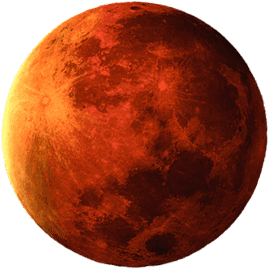
About Mars
Quick Facts About Mars
Diameter
About half of Earth's Diameter
Gravity
Meaning you’d weigh much less on Mars
Temperature
making it extremely cold
Length of a year
nearly twice as long as a year on Earth
Mars' Geography & Features
Olympus Mons
The tallest volcano in the solar system, standing 22 km high—nearly three times taller than Mount Everest. It has shallow slopes, indicating long-lasting lava flows.
Valles Marineris
A massive canyon system stretching 4,000 km, making it 10 times longer and 5 times deeper than the Grand Canyon. It likely formed due to tectonic activity and erosion.
Polar Ice Caps
Mars' poles contain frozen water and dry ice, expanding in winter and shrinking in summer. Large underground ice reserves could support future exploration.
Dust Storms
The largest in the solar system, these largest storms can cover the entire planet for months, largest reducing sunlight and affecting rover operations.
Mars Exploration
Pioneering Mars: Early Missions That Shaped Exploration
Viking 1 & 2 (1976)
NASA's first successful landers on Mars, sending back the first close-up images of the surface and conducting soil experiments to detect signs of life.
Mars Pathfinder & Sojourner (1997)
Pathfinder carried the first-ever rover, Sojourner, which demonstrated mobility on Mars and analyzed its rocks, proving that the planet had a watery past.
Spirit & Opportunity (2004 – 2019)
Twin rovers designed for 90 days, but exceeded expectations, with Opportunity lasting 15 years! They discovered signs of past water, including evidence of ancient riverbeds and minerals formed in wet conditions.
Phoenix Lander (2008)
Landed near Mars’ north polar region north , but exceeded expectations, polar region north polar region and confirmed the presence of frozen water beneath the surface.